20M+
unique bioactive peptides
Nature’s precision library
Millions of venom-derived peptides, evolved for potency and selectivity across biological targets.
We combine venom biology, high-throughput electrophysiology and AI to discover and engineer novel therapeutics.
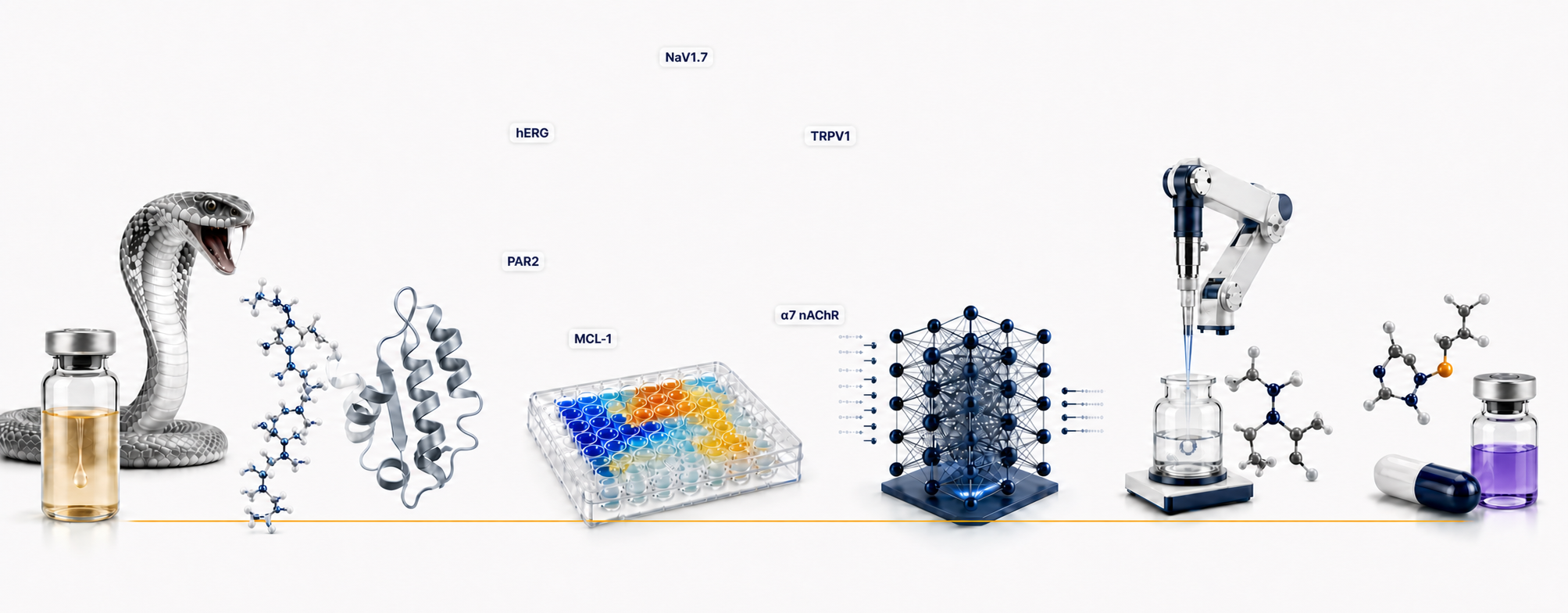
Millions of venom-derived peptides, evolved for potency and selectivity across biological targets.
Searching nature’s molecular diversity across many disease-relevant targets
Hundreds of millions of years of evolution. Built into every molecule.
Anchored in India’s extraordinary venom biodiversity and deep toxinology expertise.
Several important medicines were discovered from, or inspired by, venom.
Inspired by bradykinin-potentiating peptides in Brazilian pit viper (Bothrops jararaca) venom. The first ACE inhibitor to hit the market.
FDA Approved 1981
Derived from cone snail (Conus magus) toxin ω-conotoxin. A pioneering non-opioid analgesic for severe chronic pain.
FDA Approved 2004
Based on exendin-4 from Gila monster (Heloderma suspectum) saliva. The foundational GLP-1 receptor agonist for type 2 diabetes.
FDA Approved 2005
Venomics AI is building a scalable discovery engine that transforms the intelligence encoded in venoms into new medicines.
Five disease areas where venom biology offers transformative therapeutic potential.
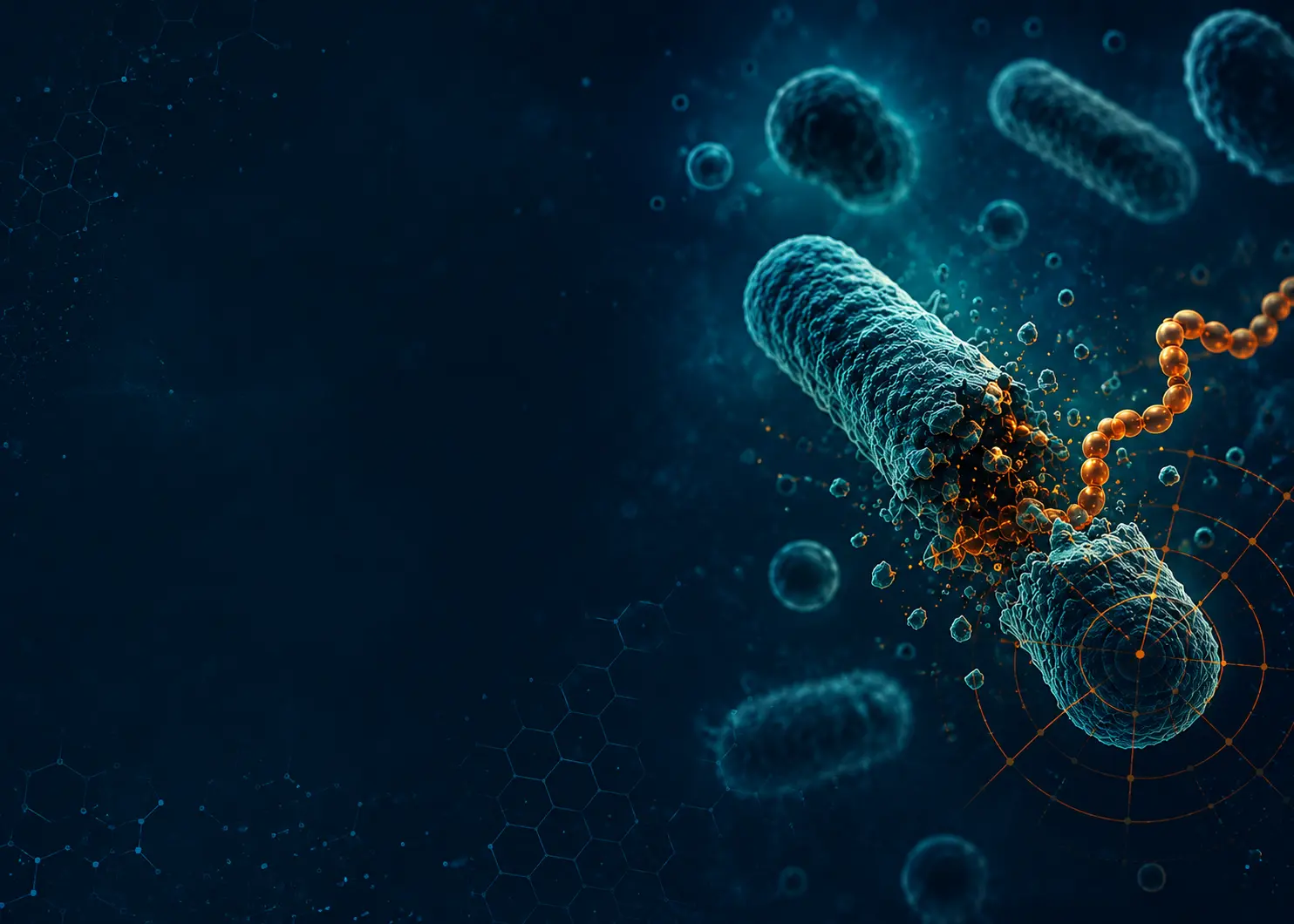
Drug-resistant infections are outpacing the discovery of new antibiotics. Venom-derived peptides offer a rich source of molecules that can disrupt microbial membranes, modulate host defence, and reveal new antimicrobial mechanisms.
Discovering and engineering venom-derived antimicrobial candidates against resistant pathogens.
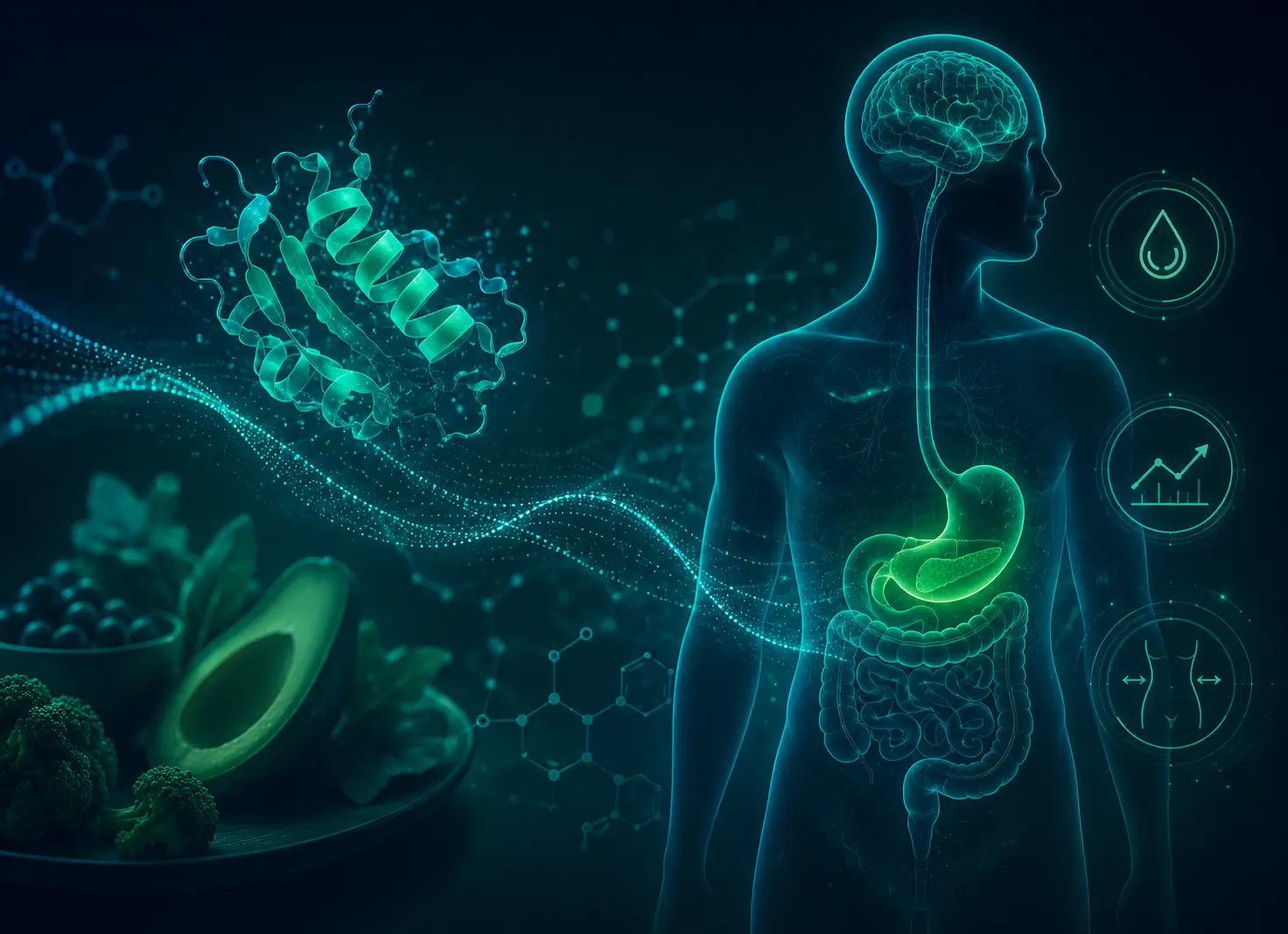
Metabolic disease is one of the largest therapeutic markets in the world. Venom-associated molecules have already contributed to incretin biology and GLP-1-based therapeutics.
Identifying molecules that regulate appetite, glucose homeostasis, insulin secretion, energy balance, and metabolic signalling.
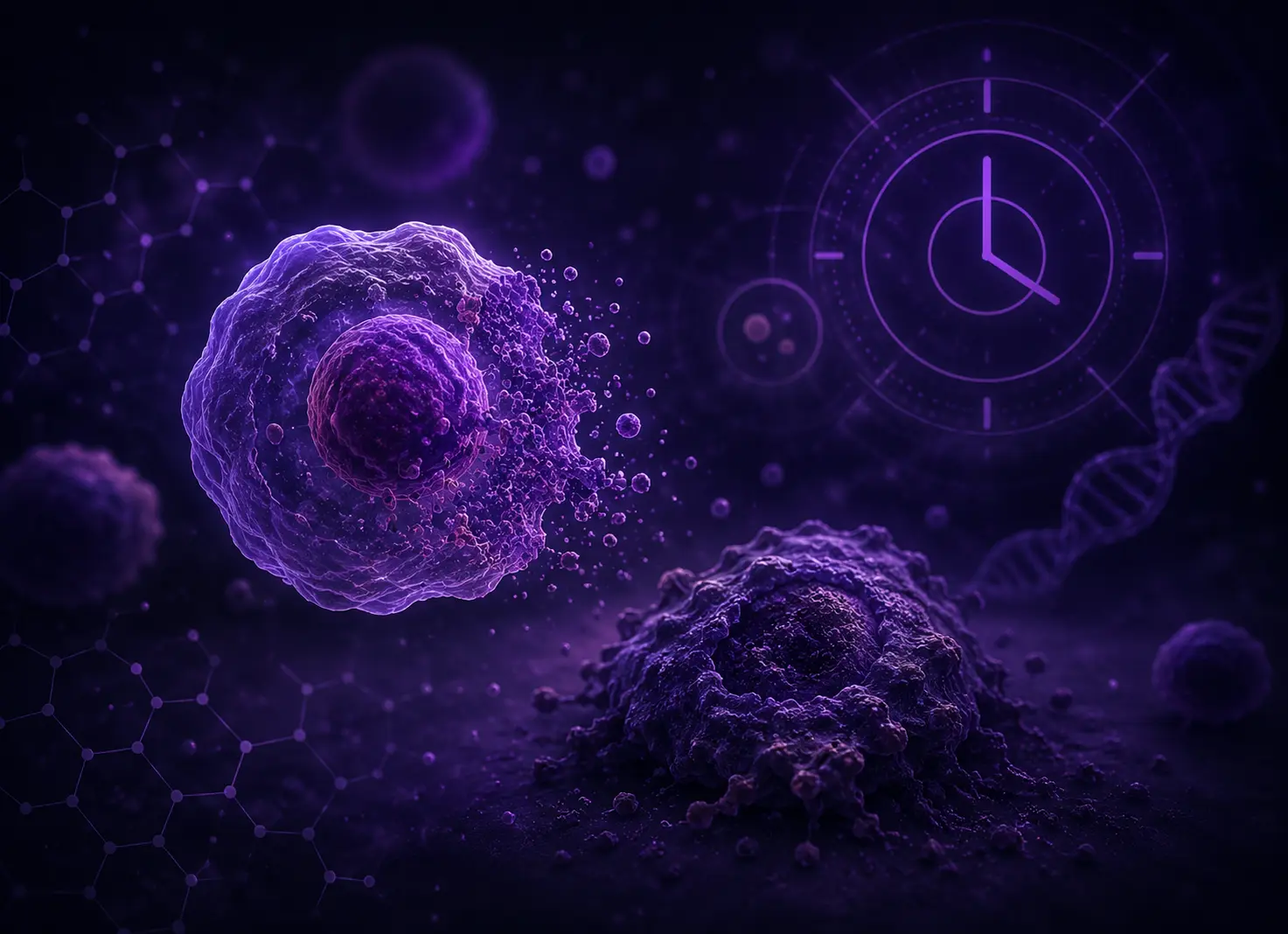
Cellular senescence contributes to chronic inflammation, tissue dysfunction, fibrosis, cancer progression, and ageing-associated disease. Venom molecules can selectively modulate cell signalling, stress responses, survival pathways, and immune interactions.
Discovering molecules that help detect, modulate, or eliminate pathological senescent cells.
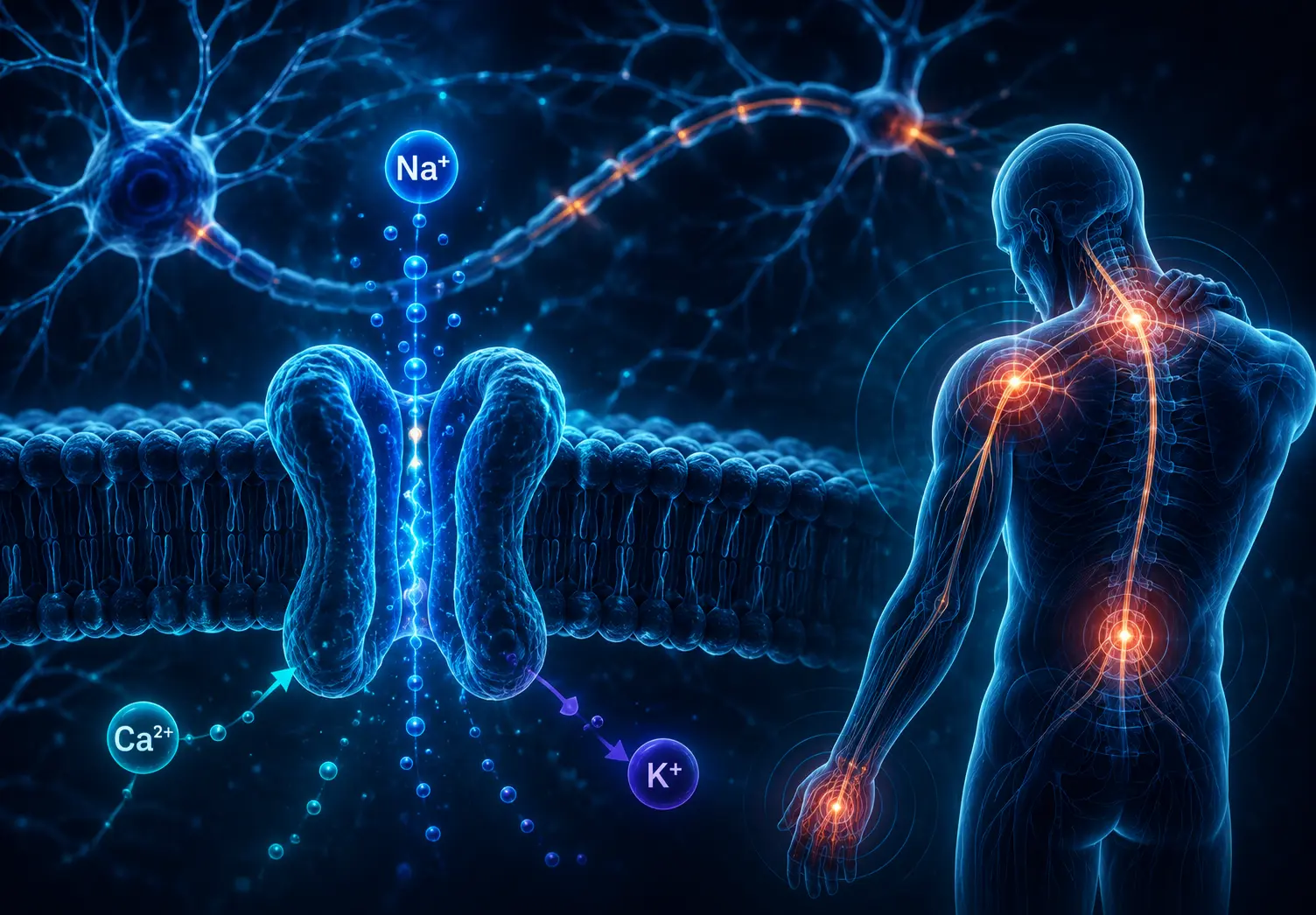
Ion channels are central to pain, neurology, cardiac function, and cellular excitability. Venoms are among the richest natural sources of ion-channel modulators, especially peptide toxins with high potency and selectivity.
Targeting voltage-gated sodium, potassium, calcium, and other ion channels for pain, neurology, and related indications.
Cancer cells depend on altered signalling, metabolism, membrane composition, immune evasion, and tumour-specific vulnerabilities. Venom-derived molecules can interact with receptors, ion channels, membranes, and tumour-associated pathways.
Developing venom-inspired molecules for tumour targeting, cytotoxicity, imaging, and precision oncology.
A multidisciplinary team spanning toxinology, computational biology, and machine learning.
 KS
KS
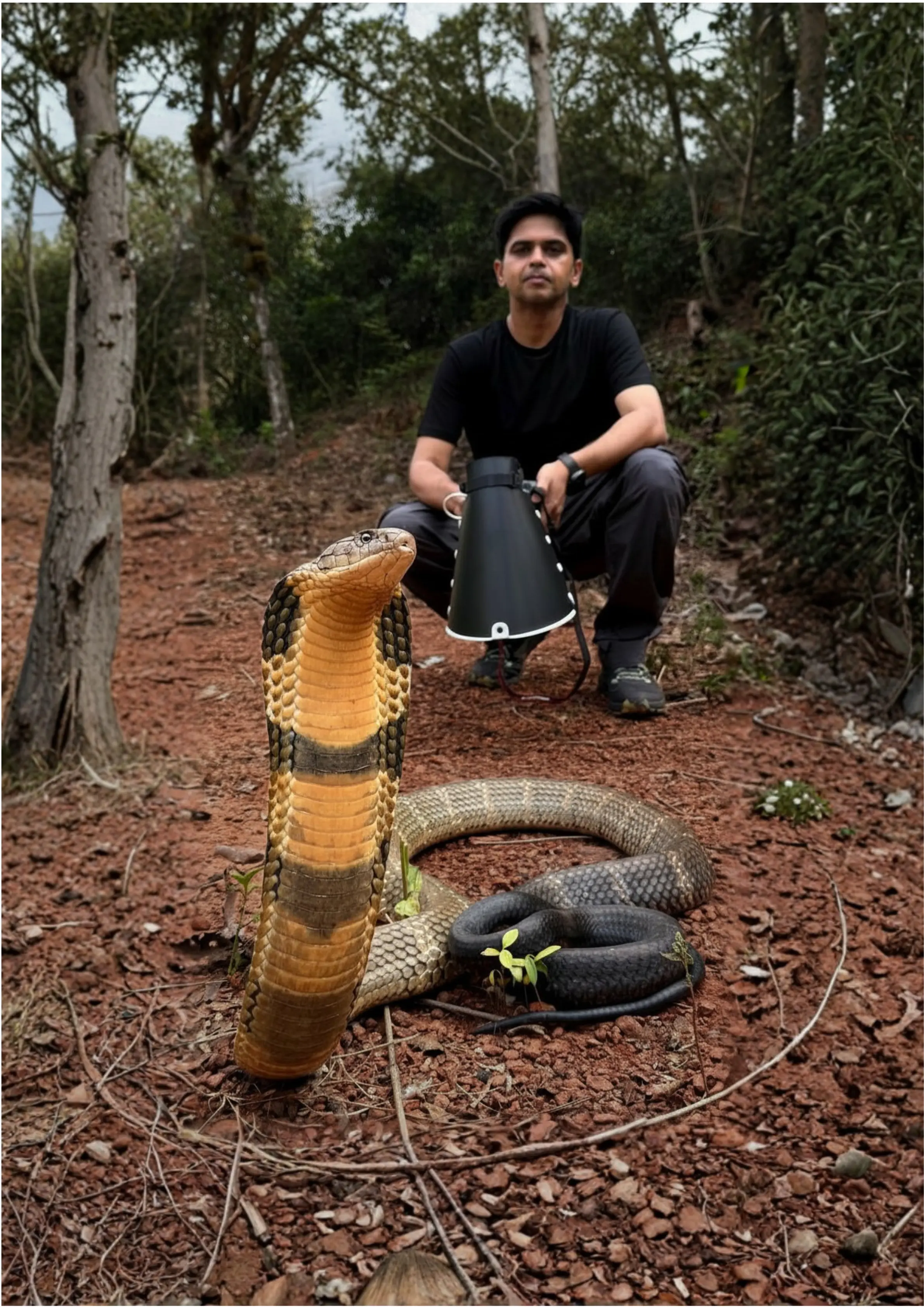
An evolutionary biologist at the Indian Institute of Science, Bengaluru, Prof. Sunagar has built one of India’s leading venom research programs. His work spans venom evolution, snakebite therapeutics, antibody discovery, small-molecule inhibitors, and the translational use of venom biology for medicine.
 VP
VP
Dr. Prabhu brings deep expertise in machine learning, large-scale AI systems, and computational biology. At Venomics AI, he leads the development of AI platforms that convert venom datasets into therapeutic insights and drug discovery programs.
Our platform builds on years of peer-reviewed research in venom biology, toxin pharmacology, and snakebite therapeutics.
Stories from Prof. Kartik Sunagar on venom biology, snakebite, evolution, and the adventures that connect them.
Key milestones, funding announcements, and press features from the Venomics AI team.
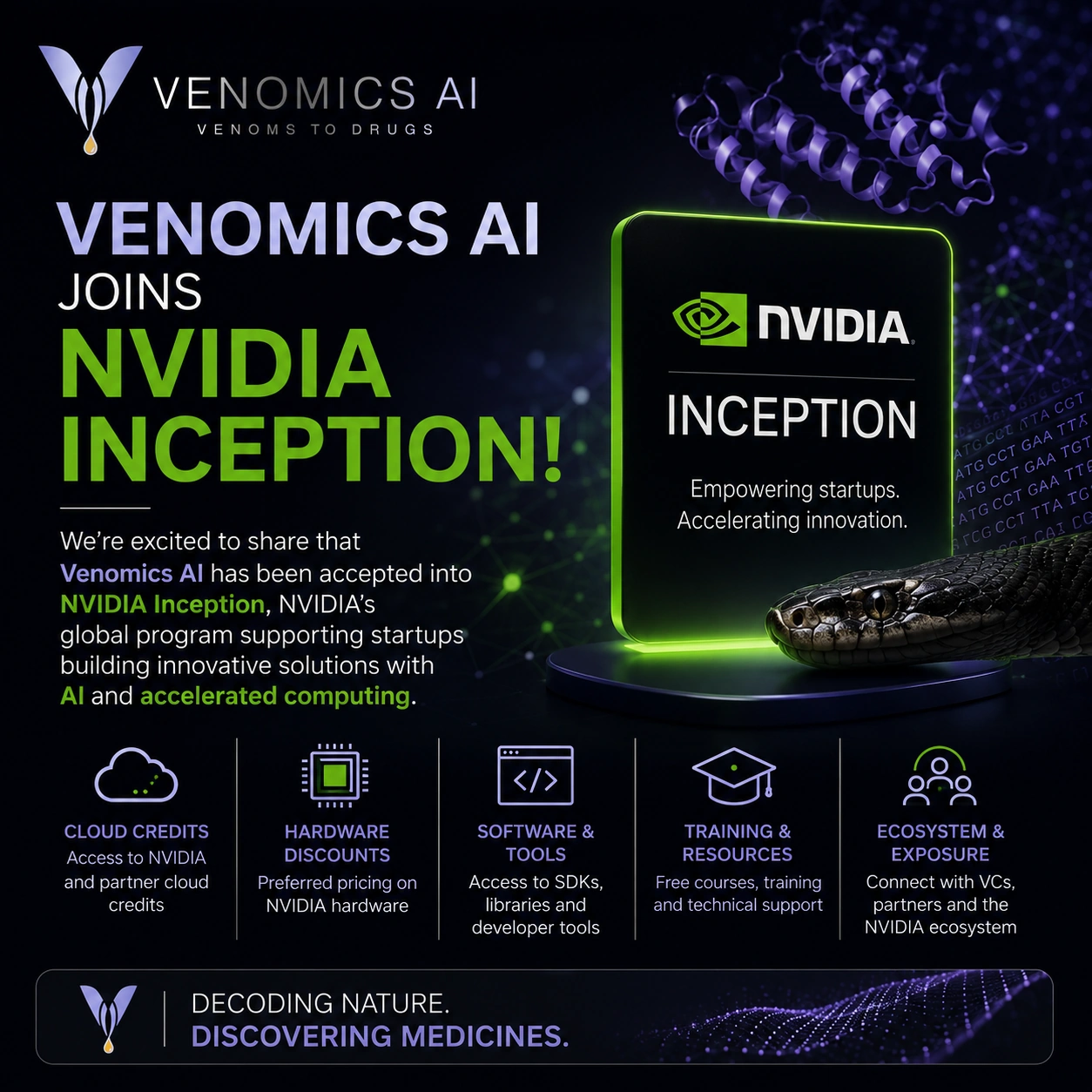
Venomics AI has been accepted into NVIDIA Inception, a program supporting startups advancing technology through AI and accelerated computing.
Accelerating our work at the intersection of venom biology and AI.
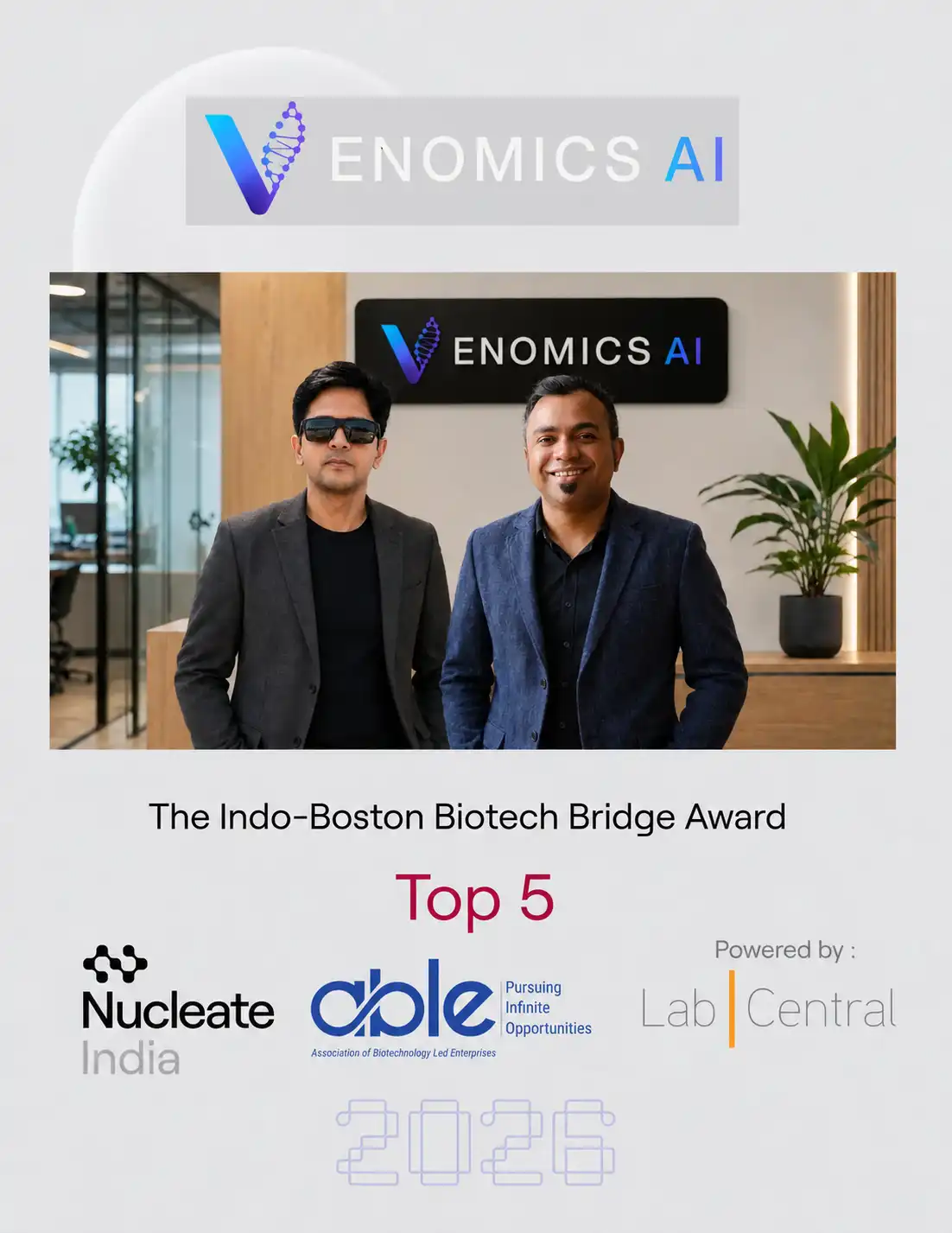
Venomics AI has been selected among the Top 5 companies for the 2026 Indo-Boston Biotech Bridge Award.
Recognized by Nucleate India and ABLE, powered by LabCentral.
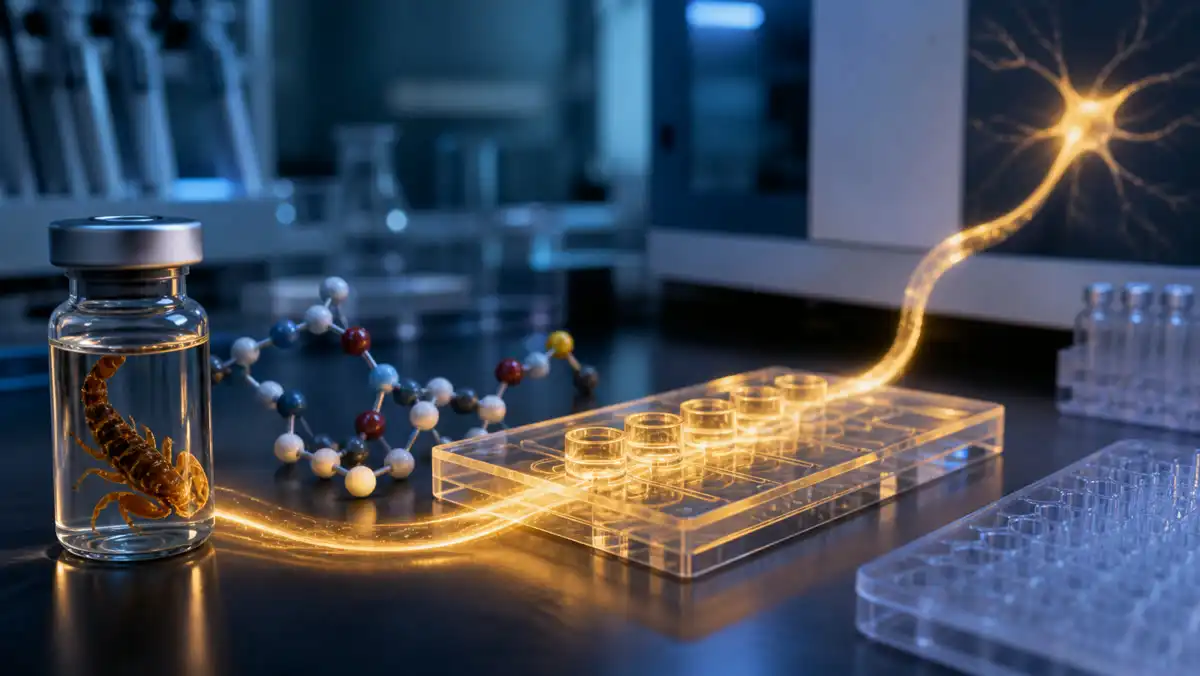
Venomics AI raised ~$3M in pre-seed funding to establish its integrated venom-to-therapeutics discovery platform.
Capital to build the discovery platform.
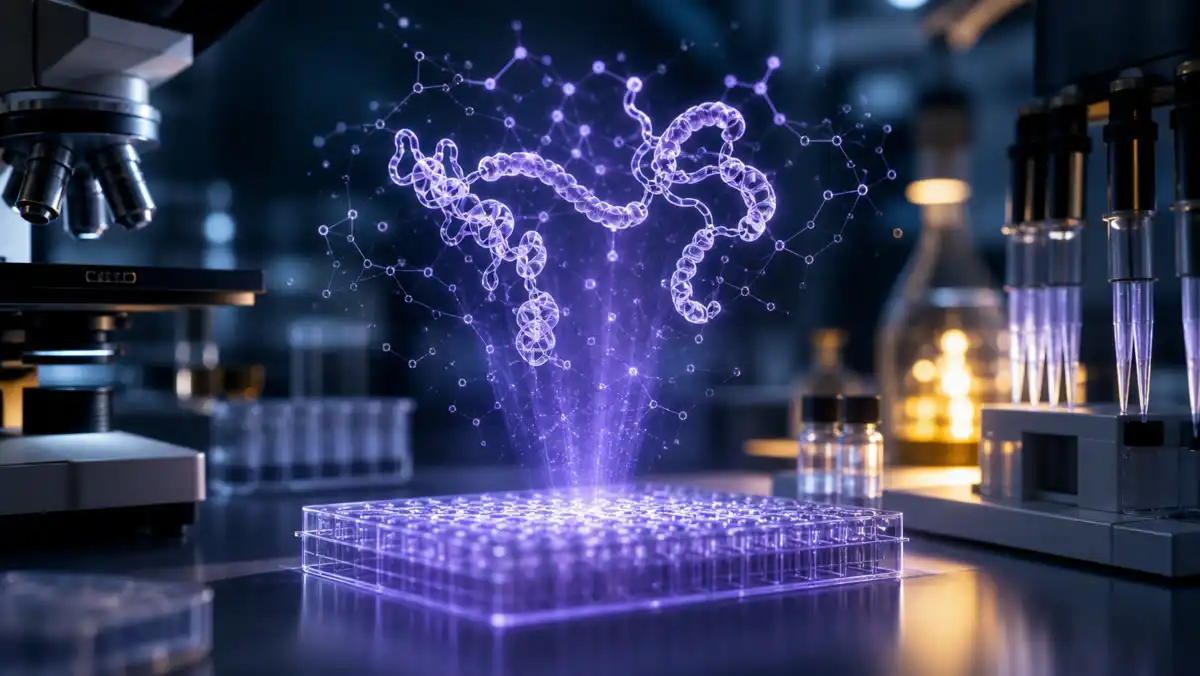
Kartik Sunagar’s Evolutionary Venomics Lab at IISc has been awarded Anthropic AI for Science Grant to use Claude to annotate venom data and find shared targets for next-generation antivenoms.
Addressing a nationwide problem that kills an estimated 58,000 people a year.
Whether you're an investor, scientist, or patient advocate, we want to hear from you.
Partnerships, licensing, investor conversations, media, and scientific collaborations.
No 33, 4th Floor, 1st Main, Ganganagar Gramatana, HMT, R T Nagar, Bengaluru 560032, Karnataka, India
Company Incorporation Number (CIN): U72100KA2026PTC220933
Grievance Officer: Purba Sarkar (grievance@venomics.ai)
Thank you for contacting us. We'll get back to you soon.
Something went wrong. Please try again or email us directly.